
How to host your own live show
There's a difference between appearing on someone else's platform and hosting your own stage. One rents you an audience on borrowed terms. The other is a room that's yours — the people, the night, the show.
Updated July 20268 min read
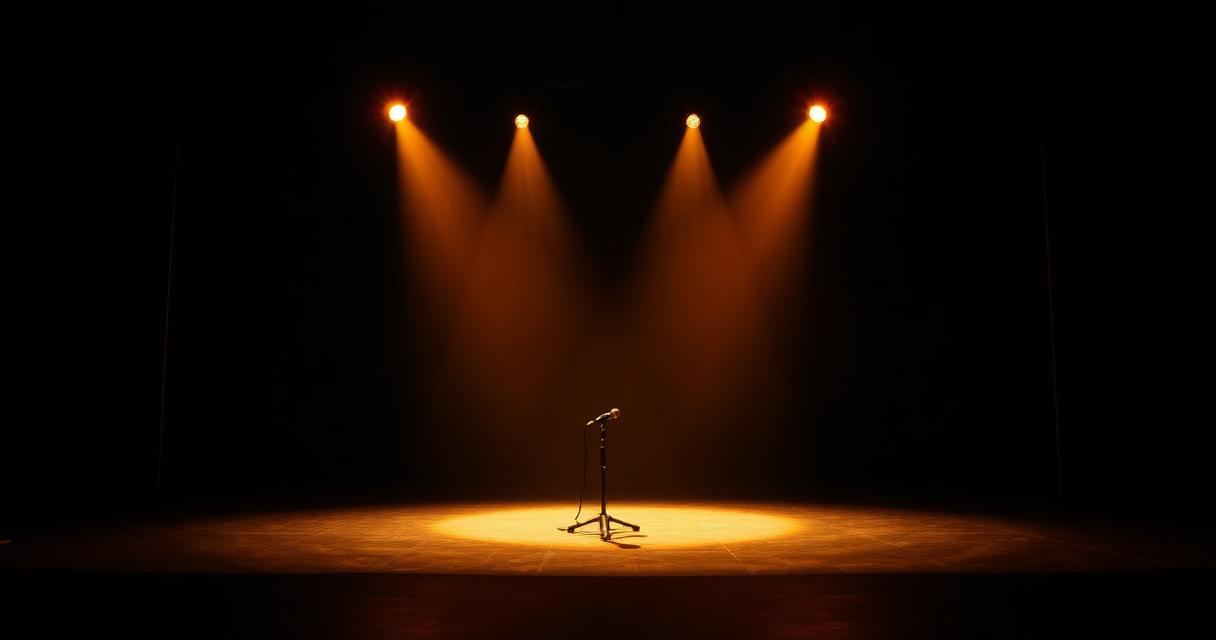
Most creators spend years performing inside someone else's feed, on someone else's terms. Hosting your own live show inverts that. Instead of publishing into a stream and hoping the algorithm carries it, you invite an audience to a specific moment they choose to attend. It's the clearest expression of owning your work rather than renting reach.
Why a live show, not just content
A recording is a file people might get to. A live show is an event people set a reminder for. That difference — anticipation, everyone arriving together, the feeling of being there — is exactly what an audience will pay for, and what platform content can't manufacture. It's the same engine behind a live podcast, applied to whatever you make.
committed attendees is enough for a real show
a regular time turns a show into a habit
tickets, memberships, and the recording after
One rents you an audience on borrowed terms. The other is a room that's yours.
How to host one, step by step
- 1
Find a format that has to be live
Real-time Q&A, an interview the audience can steer, a decision made on air, a first look. If the live version is identical to the replay, no one will show up for it. The format is the reason to attend.
- 2
Pick a slot and build the anticipation
- Choose a regular time so the show becomes a habit.
- Announce early — the countdown is part of the product.
- Use a limited capacity to make the room feel real.
- 3
Sell tickets and run it
Charge for attendance — streamed, in person, or hybrid. A committed fraction of your audience buying tickets can make a single night worth more than a month of passive reach. For pricing and setup, see how to charge for a live stream, and model the numbers with the calculator.
- 4
Keep the recording working
The live audience pays for presence; everyone else gets the show later. You capture both the event revenue and the ongoing reach — a pattern that sits at the heart of creator monetization.
Own the stage
The reason more creators don't host their own shows is operational, not creative: ticketing, payments, taxes, and streaming are a real burden. That's the weight Ellery removes — the infrastructure behind premium live entertainment, handled — so all you bring is the show.
Frequently asked
How do you host your own live show?
Pick a clear format and a regular slot, give people a reason to attend live rather than catch a replay, promote it ahead of time to build anticipation, and sell tickets so the event pays for itself. Then run it — streamed, in person, or hybrid — and publish the recording afterward for everyone else.
Do you need to be famous to host a live show?
No. A live show rewards a committed audience over a large one. If a few hundred people care enough to show up at a set time, you have a show worth hosting. Presence and format matter more than fame — people pay to be in the room, not to watch a celebrity.
How do you make money hosting a live show?
Sell tickets to attend. Because a live show is limited and time-bound, the audience pays for the experience of being there — the highest value per follower of any format. Add memberships or a recorded version afterward and a single show can earn several ways at once.
What makes a good live show format?
One that can only happen live: real-time Q&A, interviews the audience can steer, decisions made on air, or a reveal reserved for the room. If the live version is identical to the recording, there's no reason to attend — the format has to reward being present.
Build a show worth showing up for.
Ellery is the infrastructure behind premium live entertainment — ticketing, payments, and streaming, handled. Bring the show.
Join the waitlist